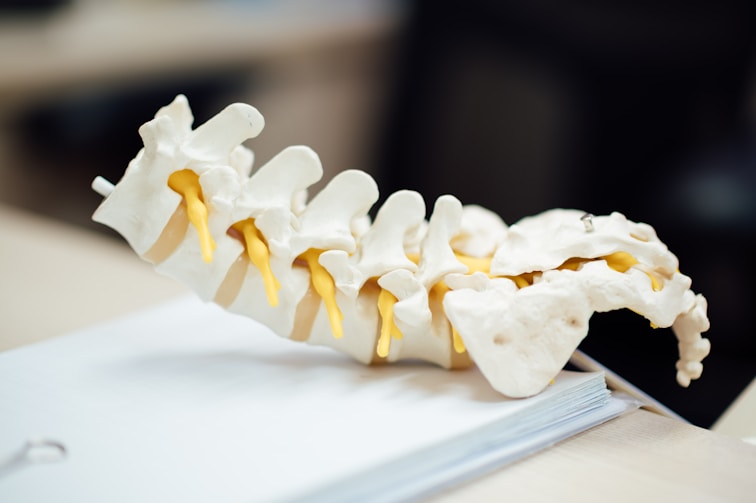
Manual handling training helps workers understand safer ways to lift, carry, push or pull loads at work. In Ireland, the right approach starts with the work itself: employers should identify manual-handling risks and avoid or reduce them where practicable. Training should reflect the task A useful manual handling course considers the loads, equipment, frequency of […]
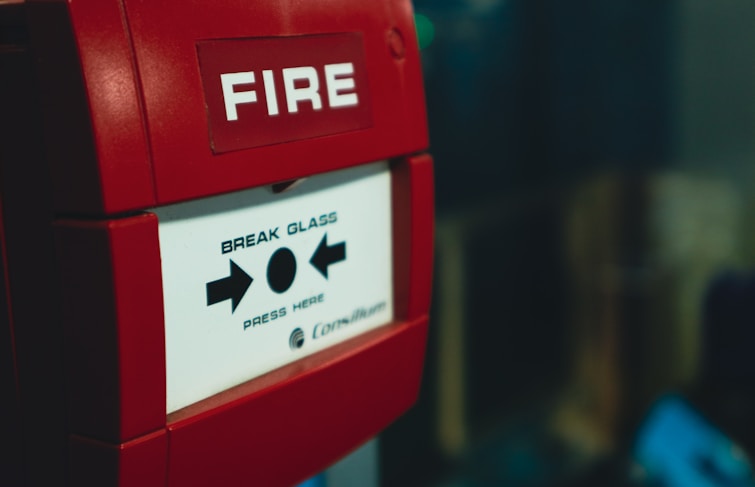
Manual handling training can help staff understand safer techniques, but course titles alone do not show whether a programme suits the work. Employers in Ireland should consider the tasks, risks and controls in their own workplace when choosing a provider. Questions to ask before booking Does the course address the lifting, carrying, pushing or pulling […]
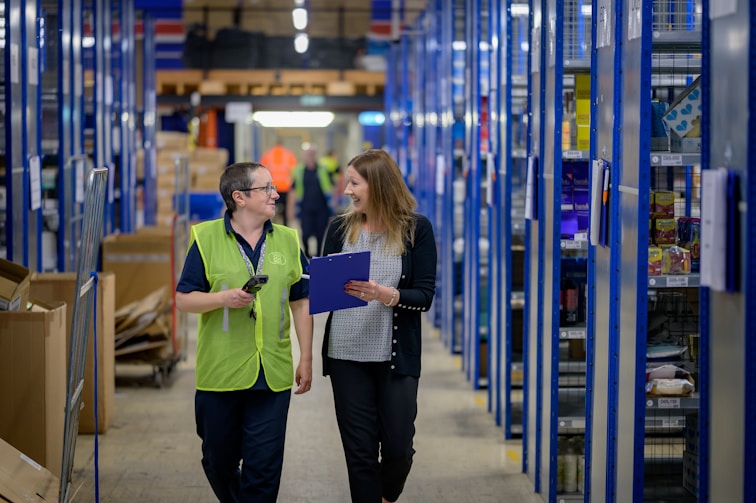
A manual handling risk assessment helps an Irish employer identify where lifting, carrying, pushing or pulling could cause injury and decide what practical controls are needed. Training can support safe work, but it does not replace looking at the task and reducing avoidable risk. Start with the task Look at what people actually do during […]
Manual handling training should fit the work being done. For an Irish workplace, start by identifying the tasks staff carry out and the risks already recorded in the employer’s assessment. Use that information to choose suitable training and practical controls. What employers can review Consider the loads, frequency, distance, posture, working space, floor conditions and […]
Safe manual handling at work begins with good task design. Employers can reduce risk by planning how loads are stored, moved and accessed, and by avoiding unnecessary lifting where practicable. Practical controls to consider Store frequently used items between knee and shoulder height where suitable. Keep routes clear, well lit and in good repair. Reduce […]
There is no single refresher interval that suits every job. Employers should review whether staff remain competent and whether the work, risks or controls have changed. Irish guidance and the employer’s own risk assessment should inform that decision. Review after changes Revisit training needs when tasks, loads, equipment or the work environment change; when staff […]
Health and safety awareness helps people recognise everyday risks and understand the safe ways of working that apply to their role. For Irish employers, the starting point is the work being done: identify what could cause harm and make sure staff understand the controls and procedures in place. Make awareness relevant to the job A […]
Fire safety arrangements should reflect the building, the people who use it and the work carried out there. For Irish employers, training is one part of a wider approach that includes suitable precautions, clear emergency procedures and regular review. What should workplace fire safety training cover? Training should help staff recognise how to raise the […]
Designating a fire warden is one part of preparing for a workplace emergency. In Ireland, employers must provide suitable emergency plans and procedures, including arrangements for fire-fighting and evacuation, and ensure designated staff have appropriate training and equipment. The plan should reflect the work, premises and people on site. What does a fire warden do? […]